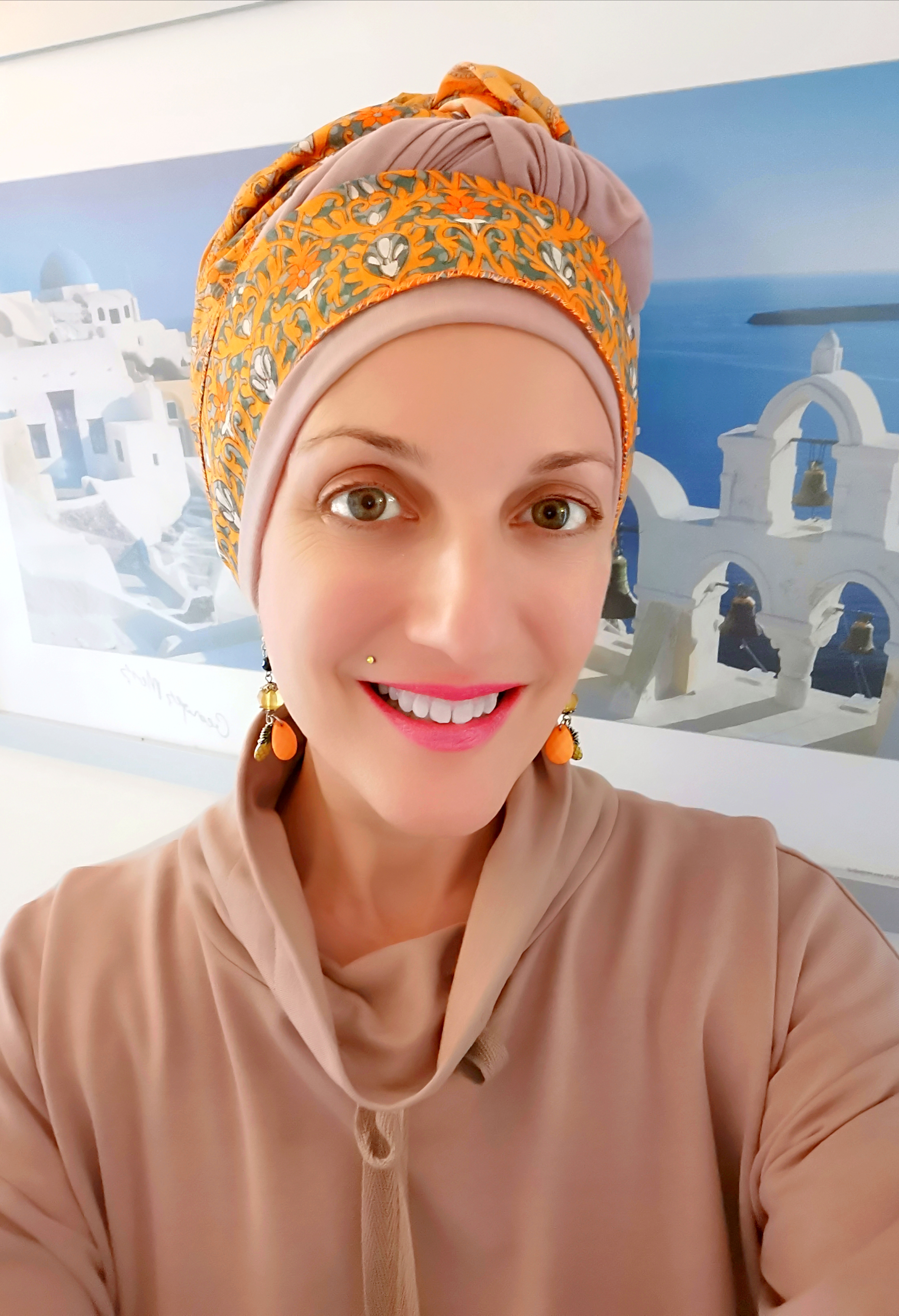
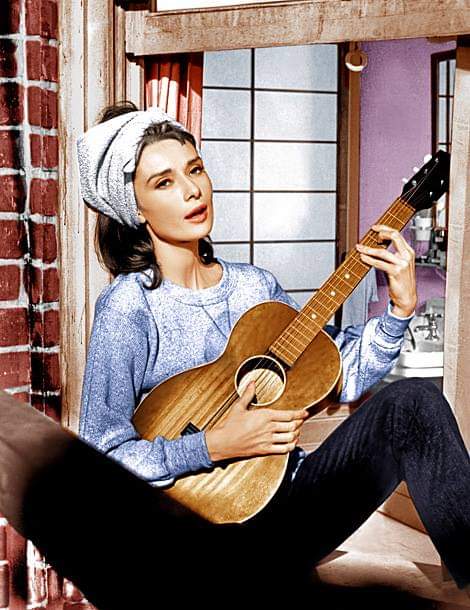

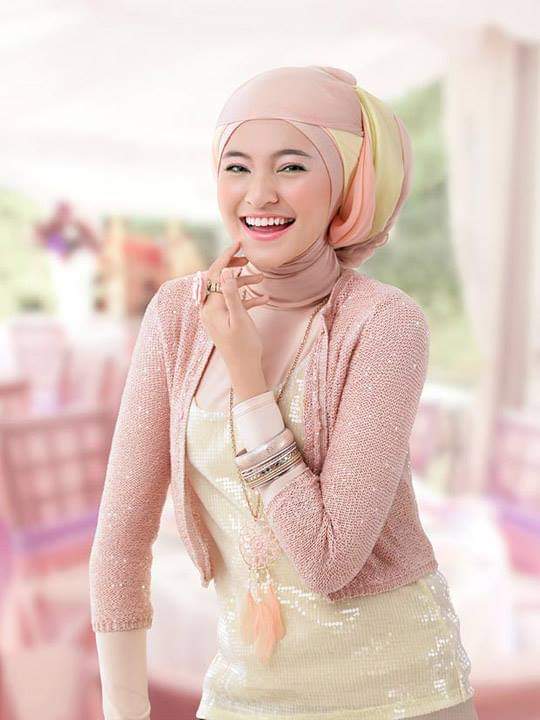

Wrapping is defined as ” to wrap or cover something in paper or material “, also ” to enclose , envelop , or embrace ” .
Wrapping is nothing new to us . It is a concept that has always been here . We wrap things up at different stages in life . When we first enter the world we are wrapped and swaddled safely by the midwife before being handed to parents or care givers , a precious sacred bundle of new life , feeling comfort warmth and security .
As we grow into toddlers , teenagers and young adults we are told to ” wrap up ” as protection from the elements , ice and cold or scorching sun . Our wrapping honours and follows the seasons . Light scarves in summer , baseball caps at a football game , Russian hats in blizzard winters . Robes and headwraps of protection for desert peoples . Wrapping protects us allowing us to enjoy and feast on the visual delights of every season safely . It frees us to do this in comfort .
We wrap our arms around our children when they are hurt and our lovers in embrace .
We are wrapped up for special occasions and celebration days and sad days – the christening gown , the bridal veil , the death shroud . Wrapped in love by our families for our final journey forward .
We wrap that which is sacred , for example the bread host at mass , veiled in the tabernacle , ceremonial wine and foods across faith and culture .
Wrapping is a natural part of life , something we do every day one way or another , wrapping our groceries , wrapping our bed clothes , taking care of life and what needs to be done .
So , how does general “wrapping ” relate to head wrapping ?
Many reasons cross over . Wrapping is practical . A scarf , turban , hat , covering are practical . They keep the warm in and cold out . Wrapping can be a personal creative expression of who we are , revealing character and personality in the colour , style and fabric we choose to wear , a fashion choice or statement , this may be on the flamboyant not so practical side and why not ?!! That’s fine too .

The head wraps and styles we wear non verbally communicate something about us . The fashion industry is branching out and expanding to cater for communities of people who wrap for all sorts of reasons who want to be creative and look stylish and special . This is good news for those of us who choose to wrap .
We may wrap for reasons of modesty , just because we happen to like it or as an expression of faith or feminism . Modesty and feminism do not need to be mutually exclusive . Feminism to me in relation to fashion concerns having choice about what I wear .
Some of us may have grown up with wrapping as part of our culture or faith or due to living in a particular climate . This holds true for both men and women . I will be looking at individual faiths and wrapping in more depth in future blogs but will give a few examples of faith and wrapping here by way of introduction .
In Christianity , traditional orthodox churches such as the Russian and Greek orthodox churches , the Roman Catholic and Anglo-Catholic churches have historically had a long practice of veiling / wrapping at mass services in beautiful scarves or lace mantillas . In the Roman Catholic church veiling was a requirement for women up until 1962 when this was changed by the 2nd Vatican council . The practice of veiling has always been present and is making a resurgence in these communities among young people as part of Christian heritage and culture . In the protestant and evangelical churches / reform and free churches hats were popular and this is still the case in some congregations . The Amish and Menonnites also wear head coverings . Across all of these groups head covering and veiling are symbolic of reverence and respect for G-d , veiling the sacred , and for some Christian faith communities biblically based on the teaching of St Paul in 1 Corinthians chapter 11 .
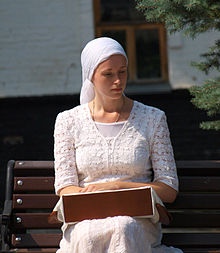
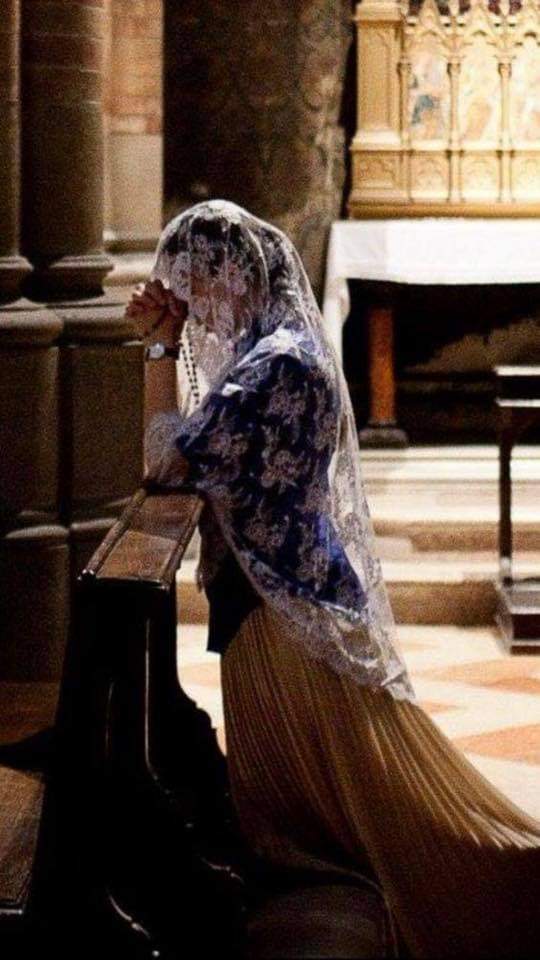
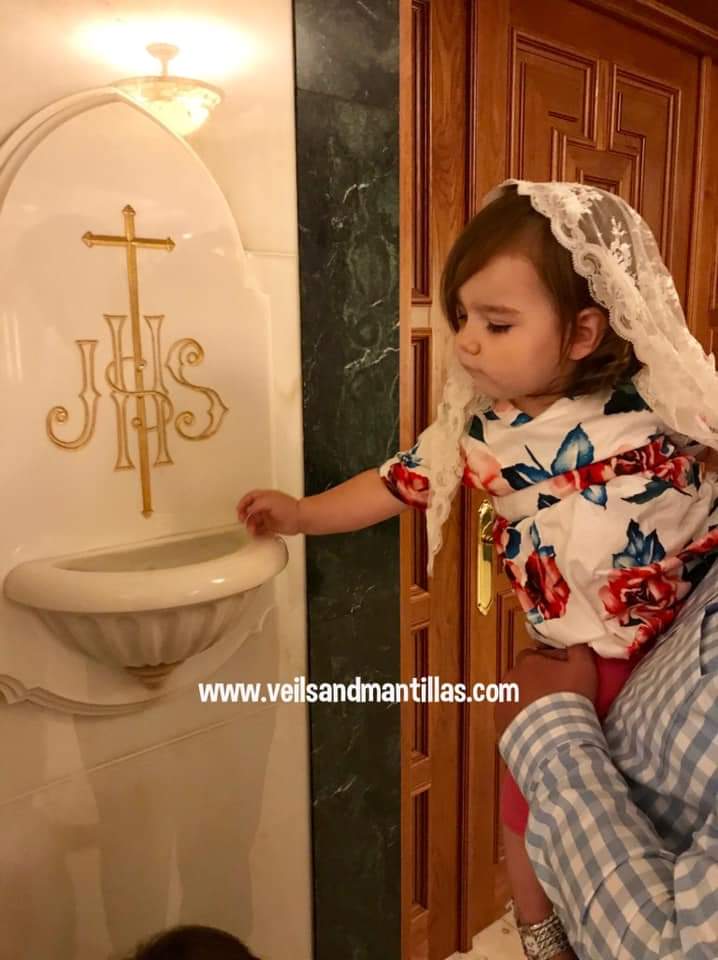
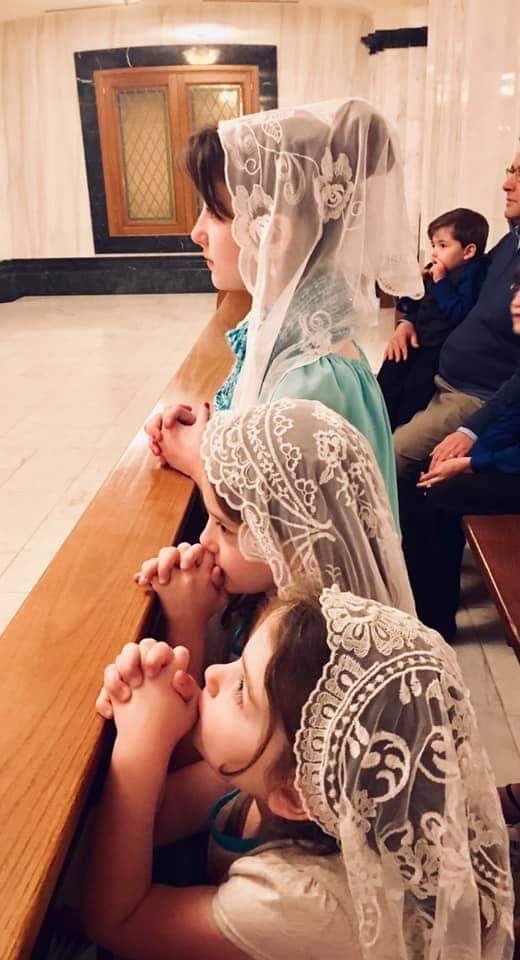

In Judaism , in Orthodox communities , a woman will wear a head covering when she is married to show that she is married and her beauty / hair are special and reserved for her life partner . The head covering may be a Sheitel ( wig ) or beautiful scarf . In non orthodox reform communities in Judaism my understanding is that head coverings are reserved for prayer and study by both men and women but not required to be worn at all times . Jewish men often wear a Kippah or Yarmulke as a sign of respect / fear of G-d and as a sign of honouring G-d and respect / devotion to G-d .
In addition to being a symbol of marriage for women , some unmarried Jewish women choose to wrap their hair as part of cultural identity , because they like it and because it feels right for them .

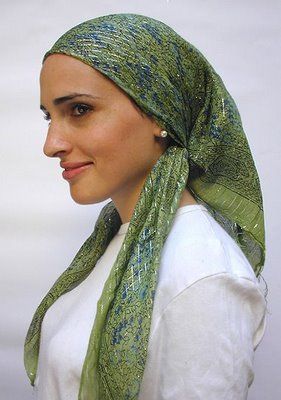
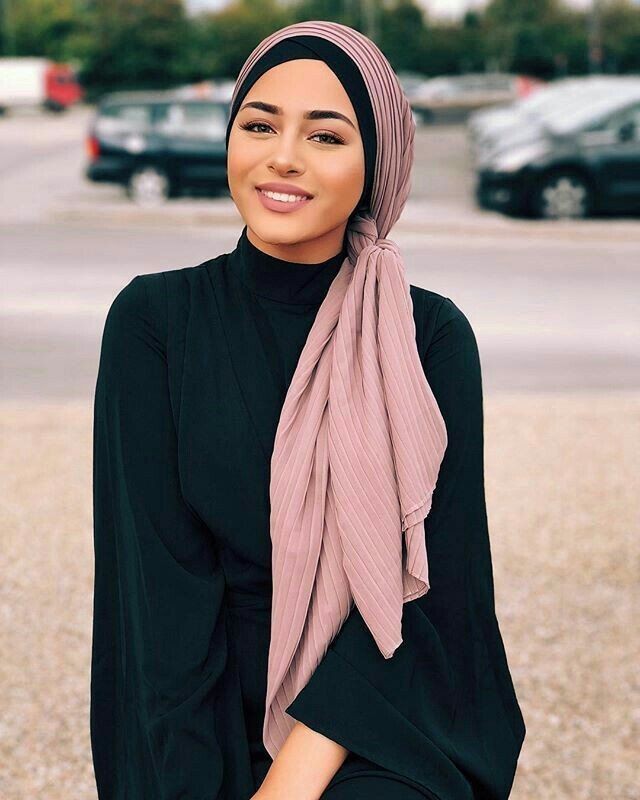
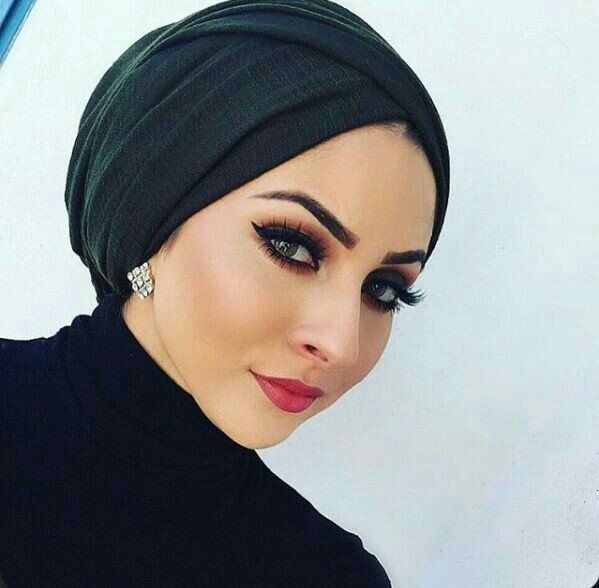
In Islam , women may wear the Hijab to show respect and honour for G-d , for reasons of modesty and as a physically visible reminder of their faith and belief , a practical reminder to be honest and generous to those in need .
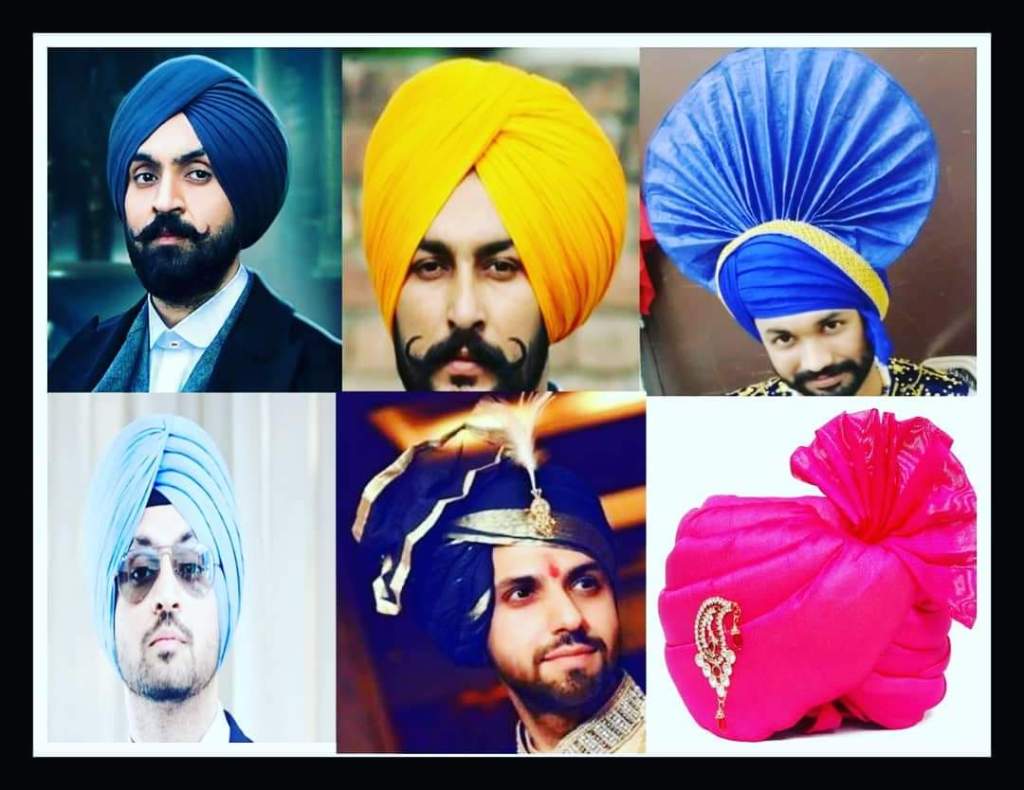
In the Sikh faith , the turban or “Dastar ” is an important expression of faith symbolising equality , honour , self respect , courage , spirituality and piety . It is worn by both men and women .
Practitioners of Kundalini Yoga may also choose to wrap their hair in a white turban as a way of protecting one’s spiritual energy . Other faiths and lifestyles such as paganism , wicca and spiritualism may choose to wrap their hair from personal choice and as a personal calling though it is not mandated by these practices . For example in paganism a follower may choose to wrap their hair in honour of a particular Goddess because they feel called to do so .
So we can see that across faiths there are many similarities in reasons for wrapping and some differences . The history of head wrapping from a global perspective will be the topic of a future blog . Head wrapping , like general wrapping has been with us for thousands of years across faith and culture . It is a positive tie that binds …
We wrap for health , for physical , mental emotional and spiritual health . Wrapping keeps us warm or cool , it regulates temperature . For people or children who are sensitive , wrapping up in a blanket or a headwrap cuts out overstimulation of the senses . It calms sensory processing from noise and chaotic surroundings . Spiritually our head is the closest part of our physical body to heaven . In many ancient spiritual practices and traditions covering the head protects a person from the negative energy of others or places , spaces and situations . Have you ever walked into a room or met a person and had an unsettled feeling that something is ” off ” ? This is likely to be you reading the energy in the room . this is also nothing new in the world . Fraught business meetings can create tension , family arguments , a place where atrocities have been committed carry the energy of that place . Particularly for empathic people head covering offers a way to close down these external stress factors and provides a real time physical barrier against them .
For children with ADHD , autism and mental or emotional sensitivity , weighted blankets have been shown to be effective in reducing stress levels and promoting sleep / falling asleep . The head wrap works in a similar way to bind the mind , not tightly but in a containing soothing way . Again this makes logical sense when we recall the soothing effect wrapping has on small babies . Wrapping can help to counteract overstimulation and overwhelm .
Head wrapping can be a choice for people undergoing chemotherapy as the scalp can feel very sensitive at this time . Soft cotton wraps can be protective against the elements and help a person to feel more themselves at a difficult time . Scarves and wrapping are also a good alternative to wigs and synthetic hair . Like all the other reasons for wrapping these reasons still count during treatment and encourage creativity and positivity . Many women have come to wrapping at this time in their life’s journey and decided to keep wrapping .
To summarize , these are just a few reasons why people choose to wrap their hair . Every wrap and fabric , every style cut and pattern of wrap tells a story and a personal journey . A wrap is so much more than a wrap …
Thank you for reading .

Minnie Sylvia
 Spiritually wrapped
Clarification.. Vatican II did not change the requirement to veil in the presence of the Eucharist, what we believe to be the Body of Christ.. That requirement was simply nit considered, not dealt with. This requirement was not nullified. Therefore many accept that this requirement still stand. Others do not. Some women and some family grouos have never stopped veiling when they enter a church. Happily (IMO) many are now inspired to veil in church again. church
I am a vowed Third Order Dominican, meaning a lay person who has taken vows to, among other things, learn about the teachings of the church and to teach them to others. In this regard I have acquired many reference books on the church. If I don’t know something I can loom it up. I would be happy to answer any questions regarding the Catholic church for your wonderful blog. I have enjoyed reading it. Thank you for writing this blog.
LikeLiked by 1 person
Thank you Dominique for your comments and feedback. I hope the blog will inspire, uplift and generate healthy discussion and interest for the reader. Your feedback is appreciated 😊🙏
LikeLike